
The Islamic Culture of Cleanliness: A Panacea for the Spread of Viral Diseases
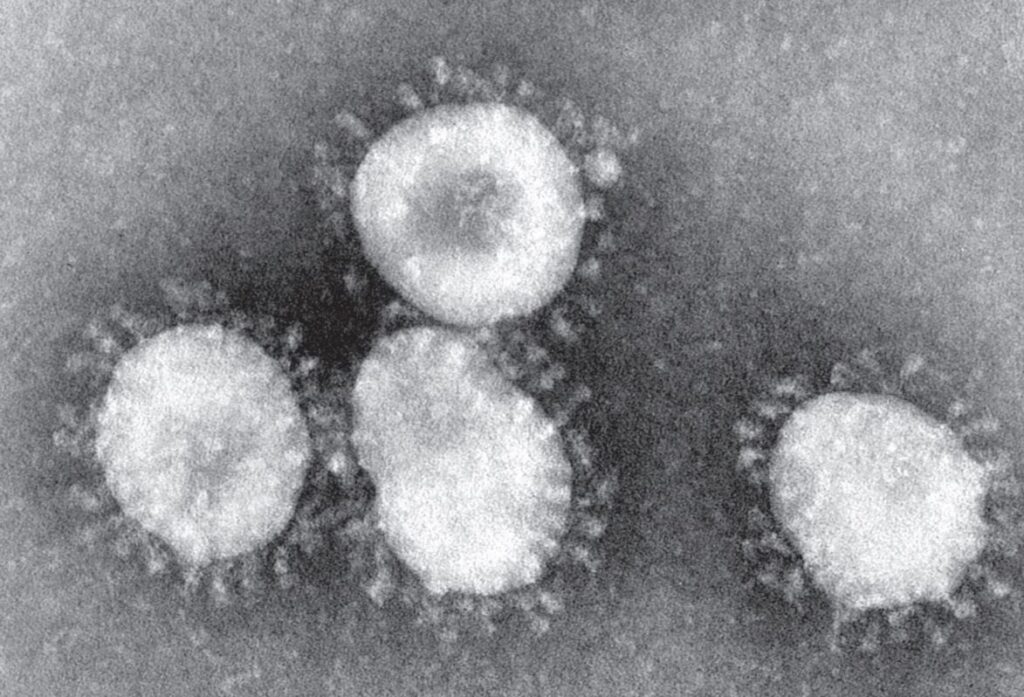
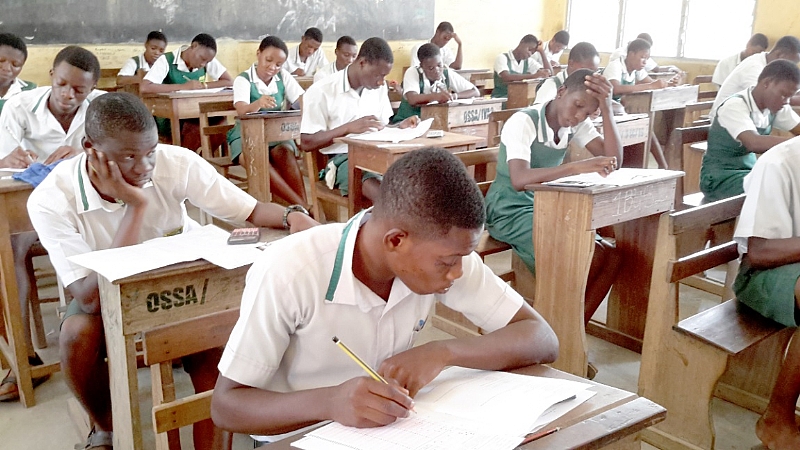
Today, when the novel Covid-19 pandemic is ravaging the world, cleanliness, especially hand washing, has become a most prescribed means to forestall its further spread. Millions of dollars have been expended globally by governments and corporate bodies on advertising the importance of washing of hands in this trying time. This campaign of regular washing of hands has rent the air of the world through both the traditional and the new media. Scrubbing of public places and joints have also become regular duties in many cities around the world. It thus appears that all human beings are just waking up into a new culture and tradition! In his submission on “Disease Control via Handwashing: An Effective Tool in the Health and Safety Arsenal”, Michaels B. (2003) takes us to memory lane on how effective has handwashing been in containing diseases: “The history of handwashing practice is as old as dirt itself… Modern principles of handwashing (friction, dilution, disinfection and drying) were established long ago. Just as in architecture, personal and hand hygiene had a role in shaping history: the Greeks were victorious over the great naval fleet led by Xerxes because the Persian forces were incapacitated by dysentery…The human hand and its role in germ transmission, was well documented in ‘The Sources and Modes of Infection, 1910’, by Charles V. Chapin MD, one-time Boston health officer. Since the hands touch all parts of the body, other people, objects, domestic animals and food, it follows that a diverse microbial flora can exist on the hands. Hand transfer was thus identified as a significant mode of transmission for bacteria, such as Salmonella typhi (source of Typhoid Mary Mallon’s fever) parasites and viruses from person to person, in zigzag fashion: from person to surface, from surface to person, and from person to food. This explains the value of “hands free” hygiene systems seen in modern public facilities… And thus, as it has been and shall ever be, let’s all remember to wash our hands!!” Well, for those of us who attended primary schools before and around four decades ago – a period when the real Nigeria Education Policy held sway; we had the opportunity to be taught with the languages of our immediate environments. Where this writer attended primary school, Yorùbá was the language of communication both on the assembly ground and classrooms. This made the lessons to sink well in the mind. During the daily school assembly, several moral and ethic-ridden nursery rhymes in the local language were taught and must be recited by us every morning before matching to our respective classroom. One of such rhymes that still resonates in mind and which is apt in this Covid-19 era is reproduced below: Ìmọ́tótó;Ó lè ṣẹ́’gun àrùn gbogbo.Ìmọ́tótó ilé;Ìmọ́tótó eyín;Ìmọ́tótó ara;Ìmọ́tótó oúnjẹ;Ìmọ́tótó;Ó lè ṣẹ́gun àrùn gbogbo. Translation:Cleanliness;It can prevent every disease.Home CleaningCleanliness of teethBody hygieneFood hygiene.Cleanliness;It can prevent every disease. Additionally, once weekly in school, we were taken through practical session of cleaning that included clipping of nails, brushing of teeth with any available chewing stick, washing of our hands and faces, etc. These school extra-curricular activities complemented the daily routine of cleanings at home. Those were the days when civil responsibilities were held high by teachers above material rewards and pecuniary gains. Perceptions of cleanliness and dirtiness have been used as yardsticks with which individuals and groups of different social, cultural, ethnic and religious backgrounds are measured. Villages, cities and nations have also been assessed and ranked with scale of cleanliness. Countless similes and metaphors, too, have been employed by different linguistic entities to create mental images of how clean or dirty a person, animal, place or thing is. This article intends to bring home the Islamic concept of cleanliness as it relates to the current trend. It seeks to serve as a reminder for us who are already aware of the teaching, and also to inform those who may find it strange that the Islamic concept of cleanliness is so in-depth. Afterall, ‘For whatsoever things were written aforetime, were written for our learning…’ [Romans 15:4] Islam is a religion that discusses all universal concepts in ways that every curious mind would have its own take-home. In contrast to what has been erroneously believed, teachings of Islam are meant for all mankind. The Holy Quran declares that the light it has come to beam knows no boundary. It says: اَللّٰہُ نُوۡرُ السَّمٰوٰتِ وَ الۡاَرۡضِ ؕ مَثَلُ نُوۡرِہٖ کَمِشۡکٰوۃٍ فِیۡہَا مِصۡبَاحٌ ؕ اَلۡمِصۡبَاحُ فِیۡ زُجَاجَۃٍ ؕ اَلزُّجَاجَۃُ کَاَنَّہَا کَوۡکَبٌ دُرِّیٌّ یُّوۡقَدُ مِنۡ شَجَرَۃٍ مُّبٰرَکَۃٍ زَیۡتُوۡنَۃٍ لَّا شَرۡقِیَّۃٍ وَّ لَا غَرۡبِیَّۃٍ ۙ یَّکَادُ زَیۡتُہَا یُضِیۡٓءُ وَ لَوۡ لَمۡ تَمۡسَسۡہُ نَارٌ ؕ نُوۡرٌ عَلٰی نُوۡرٍ ؕ یَہۡدِی اللّٰہُ لِنُوۡرِہٖ مَنۡ یَّشَآءُ ؕ وَ یَضۡرِبُ اللّٰہُ الۡاَمۡثَالَ لِلنَّاسِ ؕ وَ اللّٰہُ بِکُلِّ شَیۡءٍ عَلِیۡمٌ ﴿ۙ۳۶ “Allah is the Light of the heavens and the earth. The similitude of His light is as a lustrous niche, wherein is a lamp. The lamp is in a glass. The glass is as it were a glittering star. It is lit from a blessed tree — an olive — neither of the east nor of the west, whose oil would well-nigh glow forth even though fire touched it not. Light upon light! Allah guides to His light whomsoever He will. And Allah sets forth parables to men, and Allah knows all things full well”. [Q.24.36] The Holy Prophet, peace and blessings of Allah be upon him, himself, who graciously conveyed the light to us was commanded in the Holy Qur’an chapter 7 verse 159, to inform all of mankind that he is a prophet to all. In Islam, every matter that has far-reaching effects on physical, moral and spiritual lives of man, including cleanliness, has been considered significant. Whereas, to many, cleanliness falls to the insignificant category of concepts; hence discussing it is a hair-splitting exercise. Holders of such notions have forgotten so quickly the maxim that ‘Great things are done by a series of small things brought together’. Cleanliness is established in Islam as a part of faith.